Usability Over Function
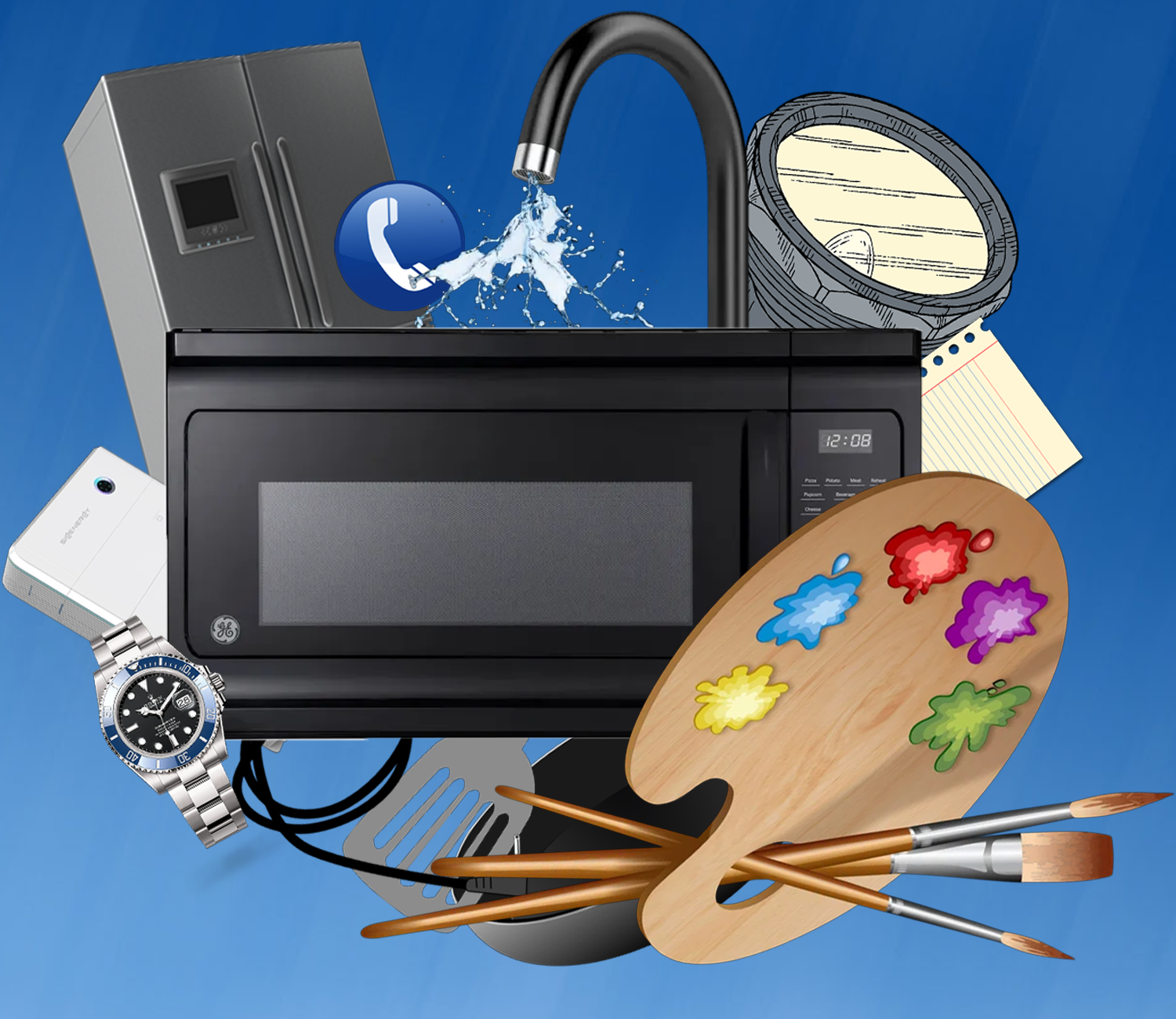
Innovation can quickly become overcomplication, adding in new features can make it become more confusing. The featured image is an extreme interpretation of taking a piece of technology, a microwave, too far.
Innovation of additional features in design and technology is usually viewed as beneficial. If a piece of technology has been shown to work well at purpose 1, maybe it can also be good at purpose 2. From a company's perspective, this makes the most sense to do in a competitive market. If company 1’s technology is competing against company 2's technology, then they need to stand out. If both companies have their technology excel at purpose 1, then an option to stand out is to introduce an additional purpose for the technology. While this may be a good tactic, there is a risk of losing something not often considered, simplicity. In the article, “SaaS Bloat: How Unnecessary Features Are Overcomplicating User Experience,” written by Gaurav Kumar, Kumar discusses the topic of SaaS Bloat, when additional features get added it can cause confusion with general consumers. Even when the features only appear beneficial from an overall perspective, actually utilizing the technology could be complicated.
A while ago, I needed to purchase a new monitor for my laptop to have a bigger screen. I saw the dimensions for the monitor as well as its resolution and purchased it. While there were additional aspects to the monitor, it looked like all the additional parts would just be an optional use. These additions were having different channels built in, such as Hulu or HBO. When I had gotten my monitor, I was distraught to discover that whenever the monitor turns on it has to load all of these channels before being usable. Turning on the monitor would take roughly an entire minute for features that I did not wish for. Additionally, it would start to play advertisements before I can change the HDMI to my laptop, meaning a possible jump scare if a loud advertisement plays. While the monitor works well as a monitor, the additional purposes of this monitor have been an active detriment on my use of the monitor.
A great resource to learn more in depth on this topic is the book “Overcomplicated: Technology at the Limits of Comprehension,” written by Samuel Arbesman. In this book, he talks about the struggles with modern day technology and systems that overcomplicate the lives of everyone. While the book is more on social and societal aspects, it can be reasoned that these criticisms can be shared for overcomplicated designs as well. If positive systems are put in place and meet the needs of what it is trying to do, then why change what is already working? Small additions or improvements here and there can be beneficial, but overtime those small additions can completely transform a system in place.
This is not limited to just monitors. Many pieces of design and technology include features that do not need to be included, such as a microwave that can connect to your phone or a powerbrick with a flashlight. While these additions do not take away anything specific, it does make using the technology harder as an overall. A microwave now needs a phone to function properly or the powerbrick loses out on charge to make sure the flashlight is already ready. It is hard to tell if there is an exact solution for this. With new features to standard technology it causes people to want to buy the new updated piece. If there are no new features added and the first version is already good, why bother buying again? Tupperware is an example of how a successful product can be too great, with the company filing for bankruptcy. In the article, “Lifting the lid on Tupperware’s troubles,“ written by Sumanta Sen, it is discussed that the downfall of Tupperware was caused not by a dissatisfaction with the product, but rather too much satisfaction. If a product is great on release and does not require the user to purchase another or upgrade to another version, then under the current system, it will struggle due to the eventual decrease in demand. To learn more on this exact scenario, this article displays the fall of Tupperware as a brand despite it not being a bad product: Article. This means that, financially speaking, releasing a product with a new feature, a new addition, or a new purpose has some benefit, even if the product barely benefits. Of course I wish for innovation to continue; however, it is a pain to see when innovation is put in when it is not needed. Additional features look good on paper, but in practice it can be the case that the product just becomes confusing. All I can hope for is that in the future designs go back to simplistic designs for specific purposes, not everything needs a kitchen sink.